How to Choose a Dune Buggy Safari That Suits You
Choosing the right desert outing is less about picking the first available option and more about matching the drive to your comfort level, schedule and expectations. A dune buggy can feel lively, dusty and quick, or steady and scenic, depending on the route, vehicle type and pace. The best choice is the one that fits the people riding and the kind of day you want.
Start with the kind of experience you want
Before looking at timings or vehicle features, decide what the ride should feel like. Some people want a short burst of off-road driving over soft sand, with enough bumps and turns to feel active. Others prefer a longer desert safari with photo stops, wide views and a gentler pace. Both can be enjoyable, but they suit different moods.
Think about the group as well. Children, older passengers and anyone sensitive to motion may prefer a calmer route with fewer sharp climbs. A group of friends who enjoy active outdoor experiences may want more time on the sand dunes. Be honest about the least confident person in the group, because that usually sets the right pace for everyone.
Set your practical limits first
Narrow the choice by working through the basics in order. This keeps the decision simple and prevents a exciting-looking option from becoming a poor fit.
- Fix the date and time window. Desert conditions change across the day. Morning light is often softer, while later slots can feel warmer and busier. Choose a window that leaves time for travel, check-in and any refreshments afterward.
- Decide how long you want to be out. A shorter session suits a tight schedule and first-timers. A longer outing gives more room for varied terrain, stops and a slower pace.
- Count the seats you need. Check whether the buggy has room for each passenger and whether the layout works for the group. Extra space matters if riders are tall or carrying layers.
- Choose your level of activity. Look for wording that describes the pace and route clearly. Terms such as gentle, scenic, adventurous or high-energy are useful only when they are backed by details.
- Confirm what is included. Clarity on safety gear, guidance, refreshments and transfers helps compare options fairly, without relying on assumptions.
Match the buggy to the riders
Not all dune buggies feel the same. Some are compact and agile, which can make the drive feel more direct. Others are wider and steadier, which may suit passengers who prefer a planted feel. If the choice is between two similar buggies, ask about the driving layout, seat position and visibility rather than focusing only on looks.
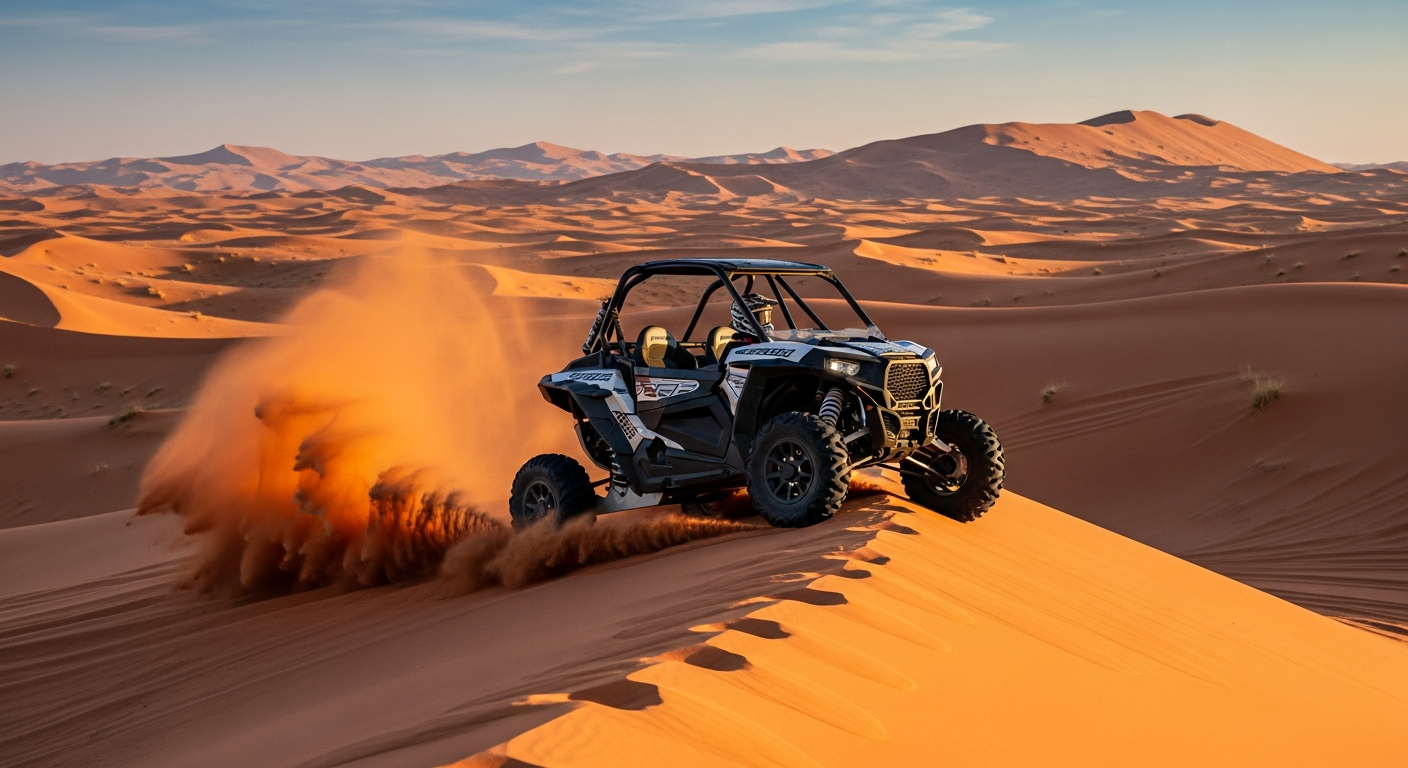
Drivers should be comfortable with basic vehicle control and ready for changing grip under the wheels. Sand behaves differently from paved roads. It can slow the buggy in soft patches, then surprise a driver with a quick slide on a firmer slope. A good option will explain the route and expected driving style before the ride begins, so there are no awkward surprises once the group reaches the open desert.
For a first dune buggy ride dubai, it is sensible to favour a route with clear instructions and a measured pace. That gives new drivers room to settle in and lets passengers enjoy the scenery instead of gripping the side rails the whole time. More confident riders can then look for routes with steeper climbs, deeper sand and more varied turns.
Check safety details without turning it into a chore
Safety should be part of the decision, not an afterthought. Look for a provider that explains the basics plainly: who can drive, what passengers should do, and how the group will handle the terrain. A brief safety talk is normal and useful. It should cover hand signals, following distance, what to do if the buggy slows in soft sand and how riders should sit during movement.
Safety gear matters too. A helmet should fit properly, not sit loose or feel uncomfortable after a few minutes. Goggles help keep sand and dust away from the eyes, especially when several buggies travel together. Closed footwear is a practical choice, and loose scarves or dangling accessories are best avoided around moving vehicles.
Pay attention to how instructions are delivered. Clear, calm guidance is a better sign than rushed promises. If something is unclear, ask before committing. A reputable option would rather repeat a rule than deal with confusion on the sand. If a mechanical issue is suspected, leave the inspection and repair to a qualified professional rather than attempting fixes in the desert.
Read the route, not just the vehicle
The route shapes the experience more than many riders expect. A path with long open stretches feels smooth and spacious, while tight turns and repeated climbs feel more intense. Sand dunes can look similar from a distance, but their gradients, ridges and soft patches change how the drive feels.
Ask whether the outing includes stops and what those stops are for. A photo stop can make the day feel more relaxed, especially when there is space to step away from the buggy and take in the view. Too many stops can interrupt the flow, though, so consider the balance. A family may welcome a pause, while someone focused on driving may prefer fewer breaks.
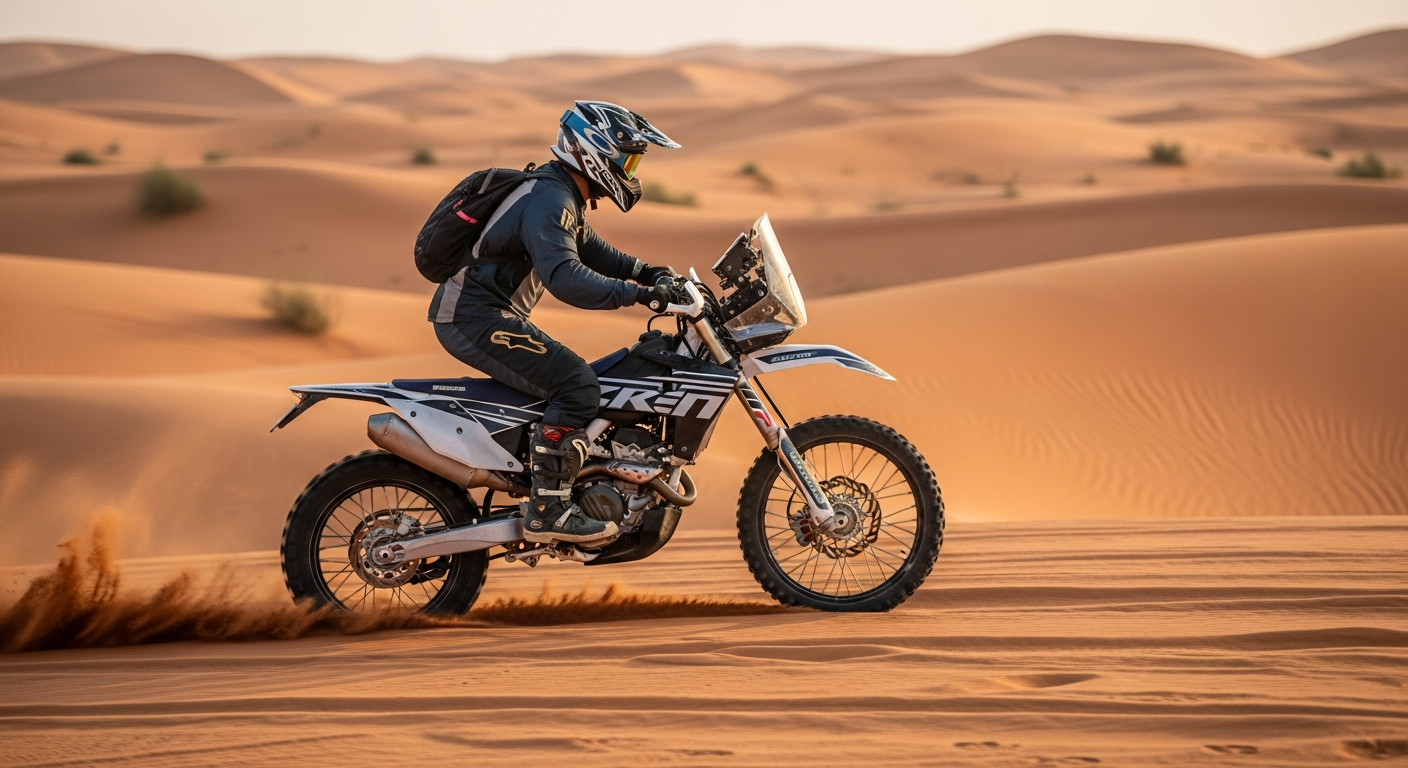
Also consider the setting around the route. Wide areas with room to manoeuvre usually feel less pressure-filled than crowded tracks. The quality of the experience often comes from that sense of space, not from how fast the buggy can go.
Compare the small print before booking
Once a few options look suitable, compare them line by line. This is where a good choice becomes clear. Check the duration, meeting point, group size, driving requirements, passenger rules and what happens if plans change. If the details are vague, treat that as a prompt to ask questions rather than filling the gaps yourself.
Be careful with language that sounds impressive but gives no substance. Phrases like "ultimate adventure" or "best desert experience" do not tell you how the ride is managed. Specific information is more useful: the type of terrain, whether guidance is provided during the drive, what safety gear is supplied and how the pace is handled for mixed groups.
If comparing a dune buggy ride dubai with a broader desert safari, think about the main purpose of the day. A buggy-focused outing puts driving at the centre. A safari may include other activities and a slower rhythm. Neither is automatically better. The right pick depends on whether the riders want the buggy to be the main event or one part of a larger desert plan.
Prepare for the day so the ride starts well
Good preparation makes the whole outing smoother. Wear comfortable clothes that allow movement and protect against sun and sand. Closed shoes are more sensible than sandals. Bring sun protection, and keep water handy before and after the drive. A small bag for phones and keys is useful, but avoid carrying loose items that could fall out during turns.
Arrive with enough time to listen to instructions, get fitted with safety gear and settle into the buggy. Rushing at the start often leads to missed details. If there is a choice of driver and passenger positions, decide calmly before moving off. The driver needs a clear view and should not be distracted by last-minute swaps.

During the ride, follow the route given and keep a steady distance from other buggies. Avoid sudden moves, especially on slopes or soft sand. If the terrain feels unfamiliar, slow down and rely on the guidance provided. Confidence builds naturally when the pace stays controlled.
Make the final choice with a simple test
When two options still feel close, use a plain test. The better choice is the one that gives clear information, fits the group and sets a pace everyone can enjoy. It should feel easy to picture the day from start to finish: arrival, safety briefing, driving, stops and departure.
A dune buggy outing works best when expectations match reality. Choose for the rider who needs the most reassurance, check the practical details early and give weight to clear communication over big promises. That approach keeps the focus on the desert itself, where the views, the sand and the steady hum of the engine matter far more than the sales wording.